The Village
A stone village at 620 metres
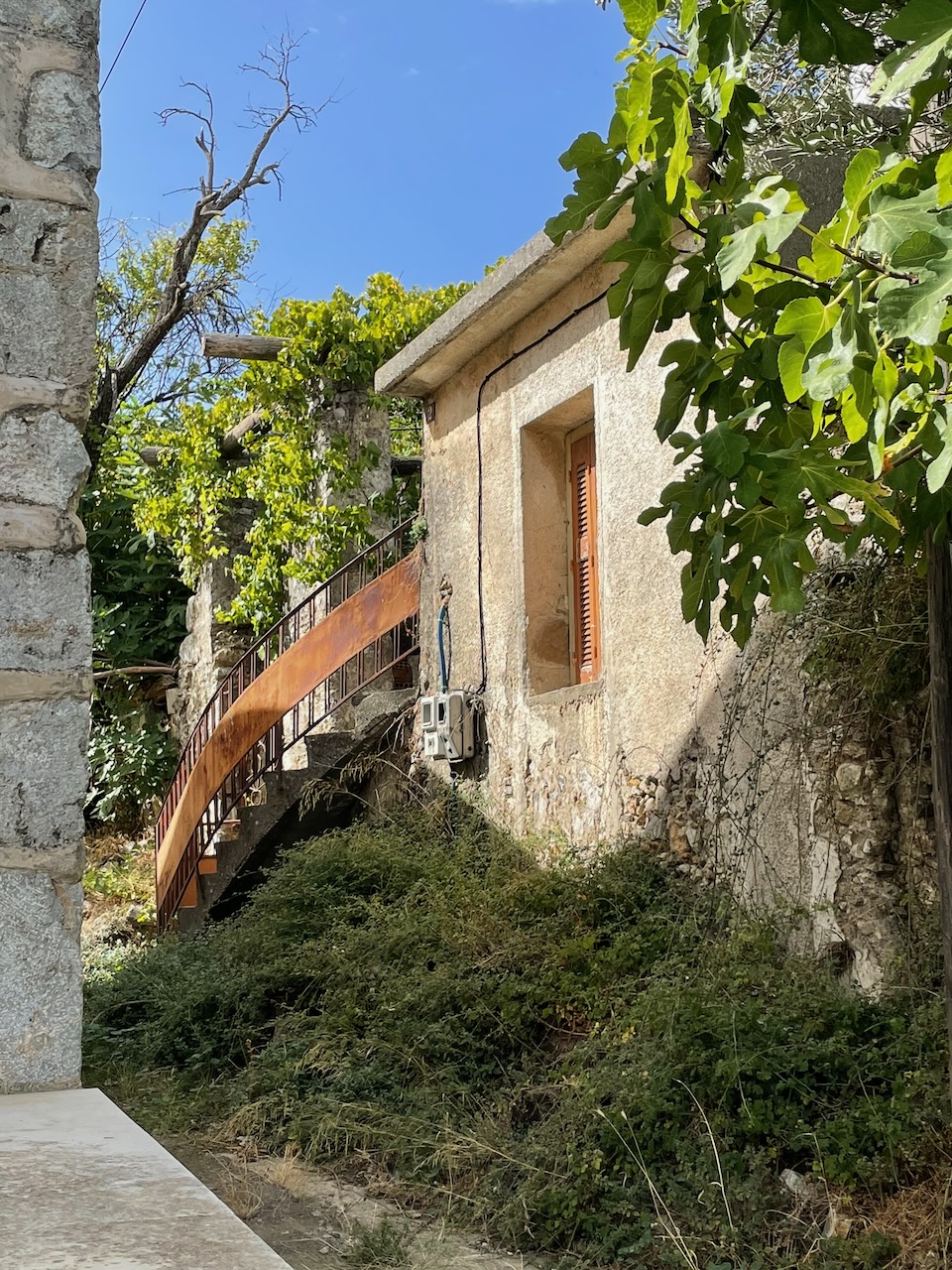
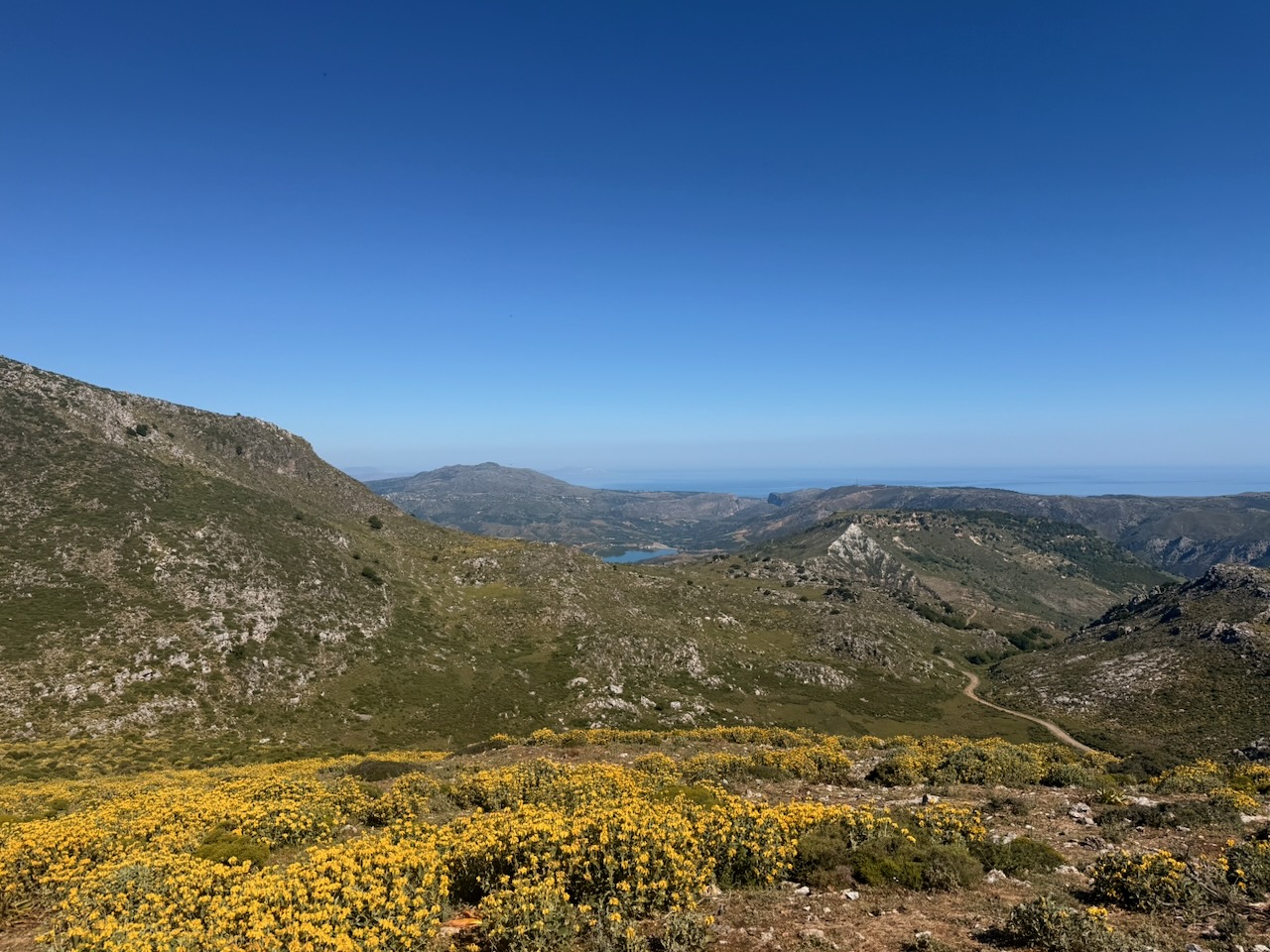
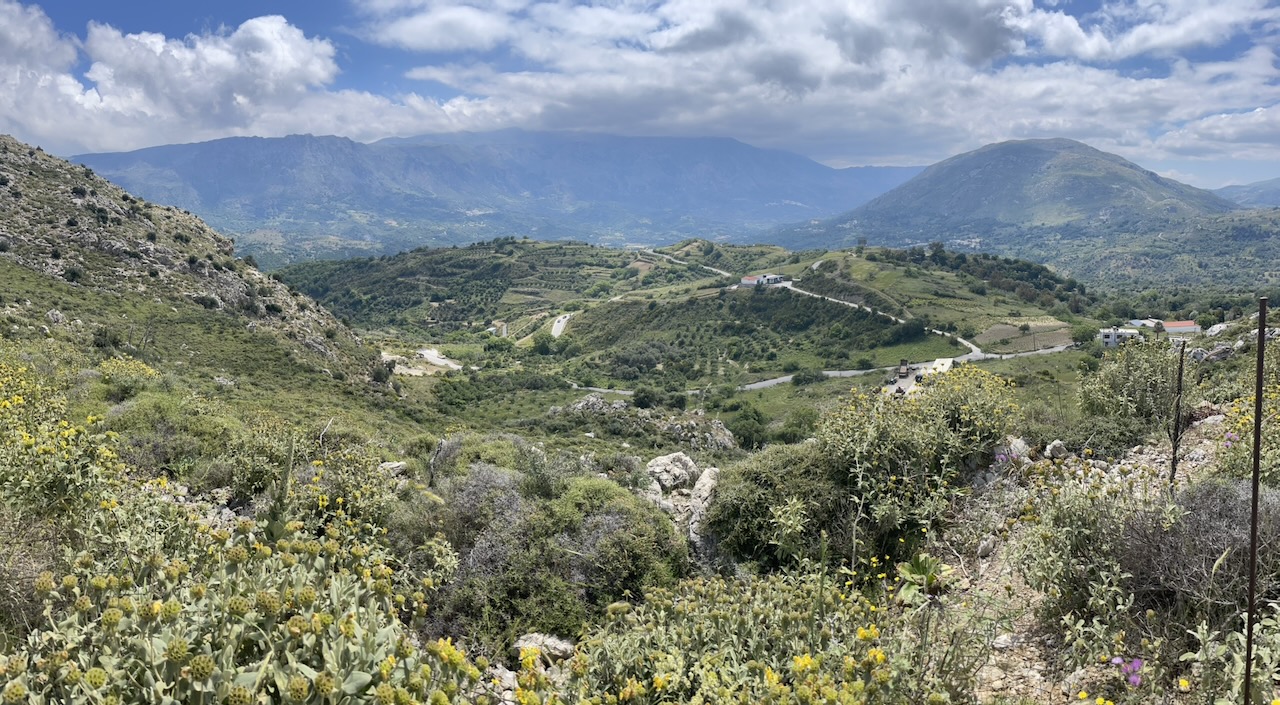
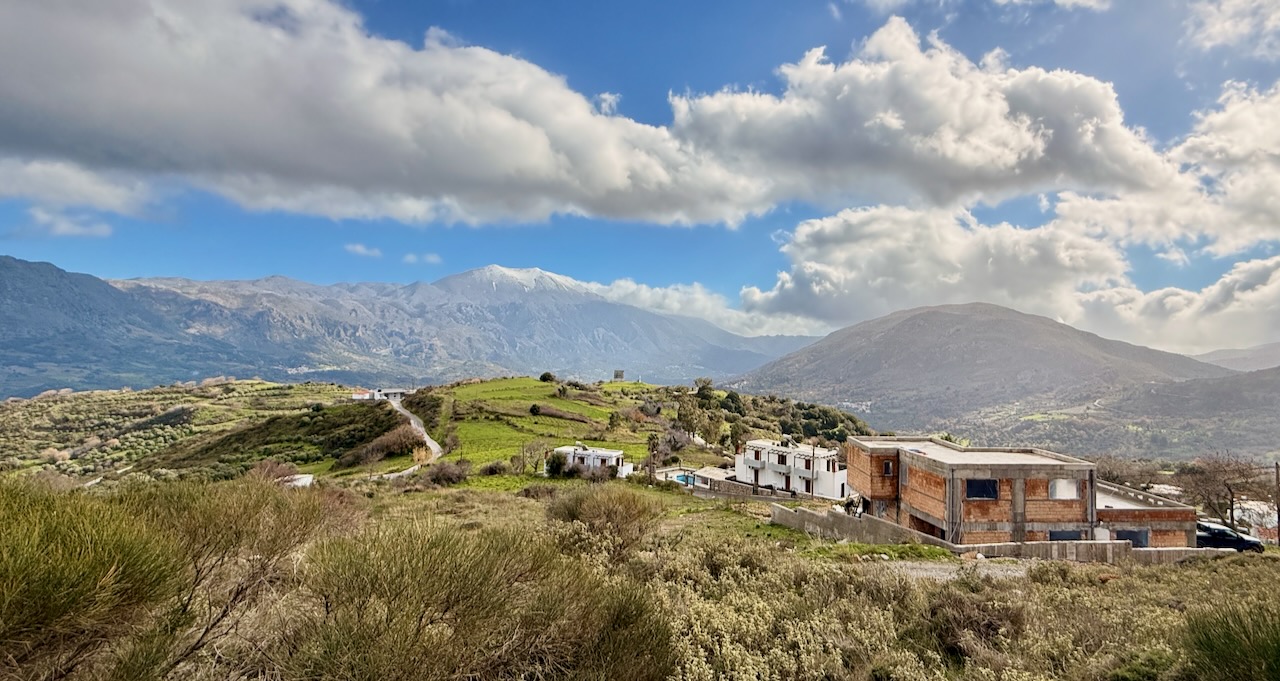
Meronas sits on the western slope of the Amari valley, about 35 km southeast of Rethymno, built into the hillside at roughly 620 metres. Narrow lanes, vaulted doorways, vine shade and old stone houses climb the slope beneath Mount Kedros, with Psiloritis, the highest mountain in Crete, filling the view across the valley.
The village was once called Elia, the Greek word for olive, fitting for a valley this thick with olive groves. The name Meronas first appears in Venetian records of the 13th century. In the mid-14th century Alexios Kallergis, of the great Venetian-Cretan noble house, settled here, and the family's blazons are still preserved in the church of Panagia.
Where it is
Find Meronas
On the western slope of the Amari valley, about 35 km southeast of Rethymno, beneath Mount Kedros and facing Psiloritis.
Deep Roots
People have lived here since Minoan times
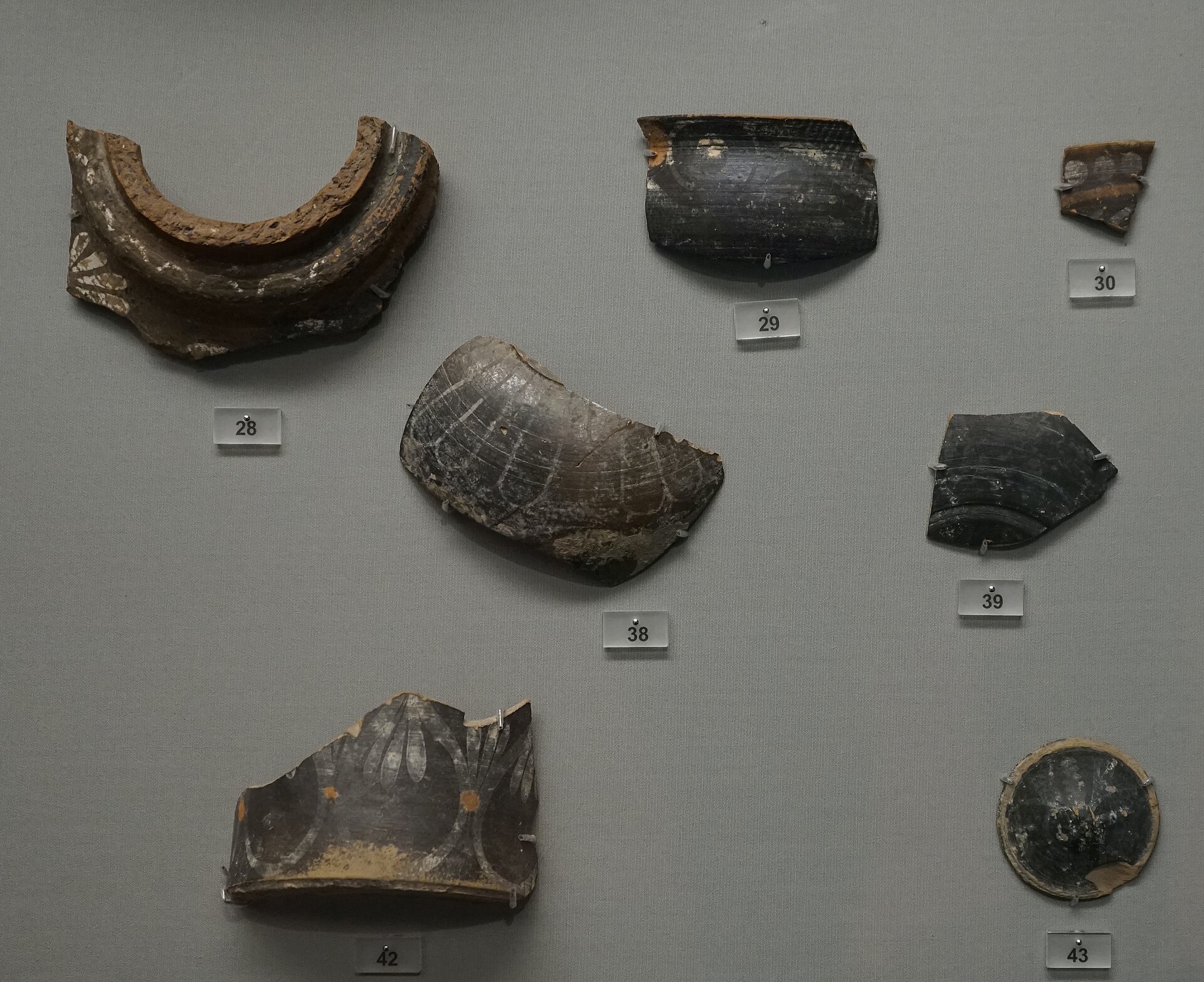
The Amari valley is old beyond the churches and the Venetian records. People have farmed these slopes since the Bronze Age, around 1800 BC. A short walk from Meronas, at Apodoulou, archaeologists uncovered a Minoan settlement of the Protopalatial period (roughly 1900–1700 BC), an agricultural community tied to the great palace centers of Phaistos and Monastiraki. They found cups and pithoi, seal stones and loom weights: the everyday tools of a working village, already three and a half thousand years ago.
That deep past is not only in the museums. Locals here still turn up Minoan sherds and artifacts in their fields and olive groves, the valley quietly handing up pieces of itself after every winter's plough.
The Water
Spring water runs through the center
The heart of Meronas is its water. Cold spring water gushes from the village fountains in the central square, running clear and constant even through the dry heat of a Cretan August. For centuries this was the reason the village stood where it does: reliable, drinkable water in a land where water is the first thing you look for.
Stop at the square, cup your hands, and drink straight from the source. The sound of running water follows you down the lanes. It is the quiet engine of the place, the reason the gardens are green and the plane trees are old.
Churches
Byzantine and Venetian Crete
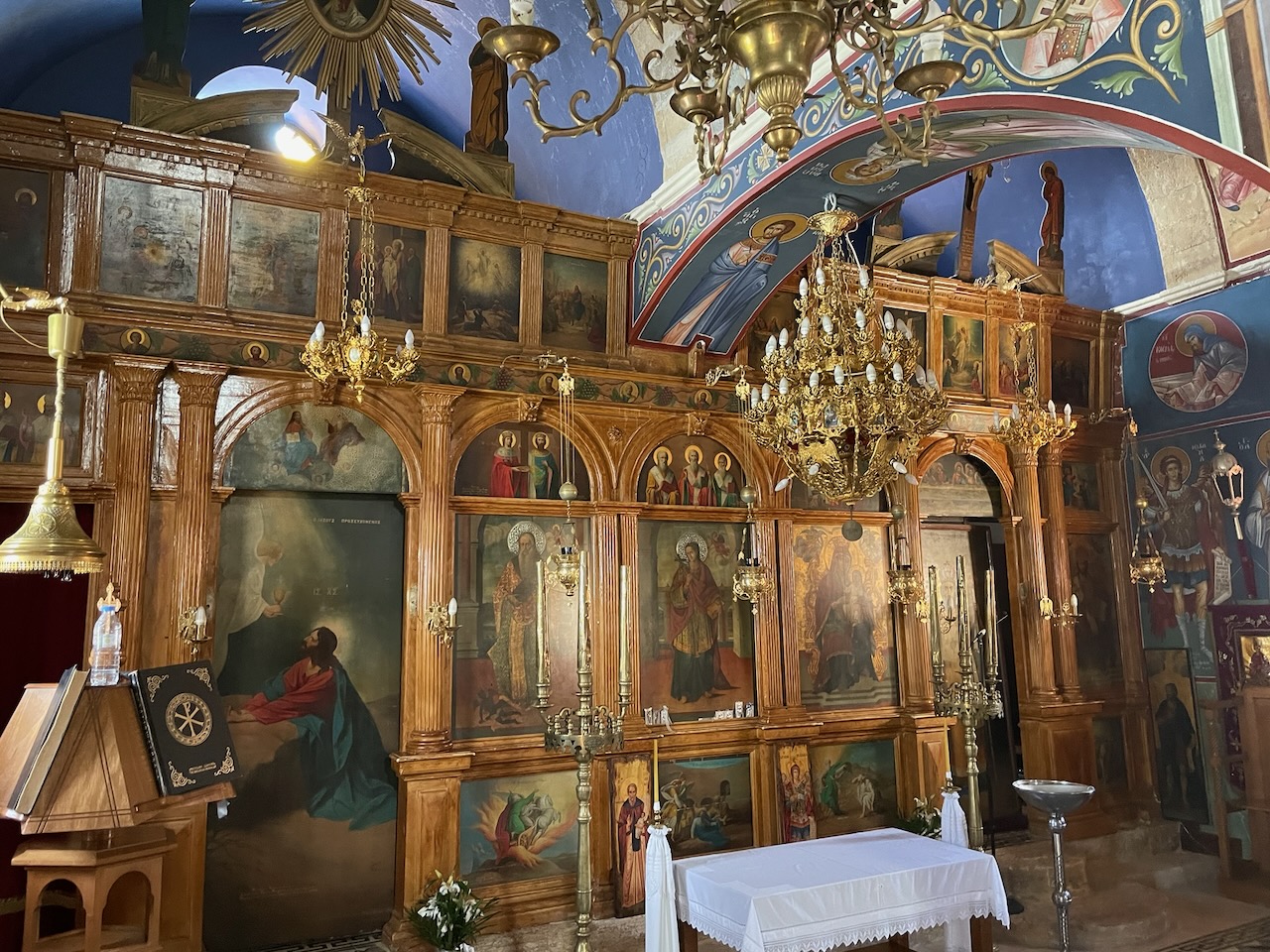
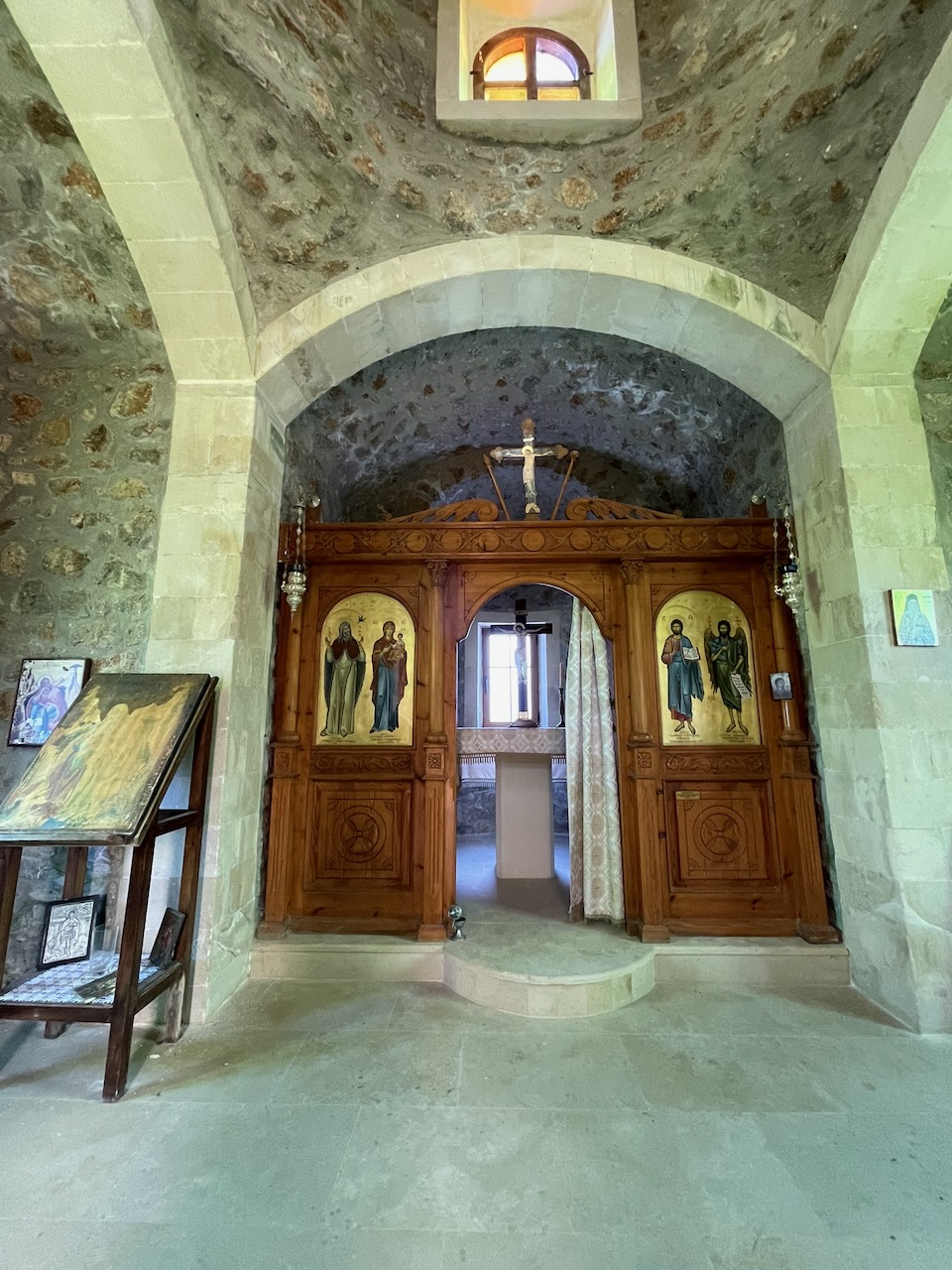
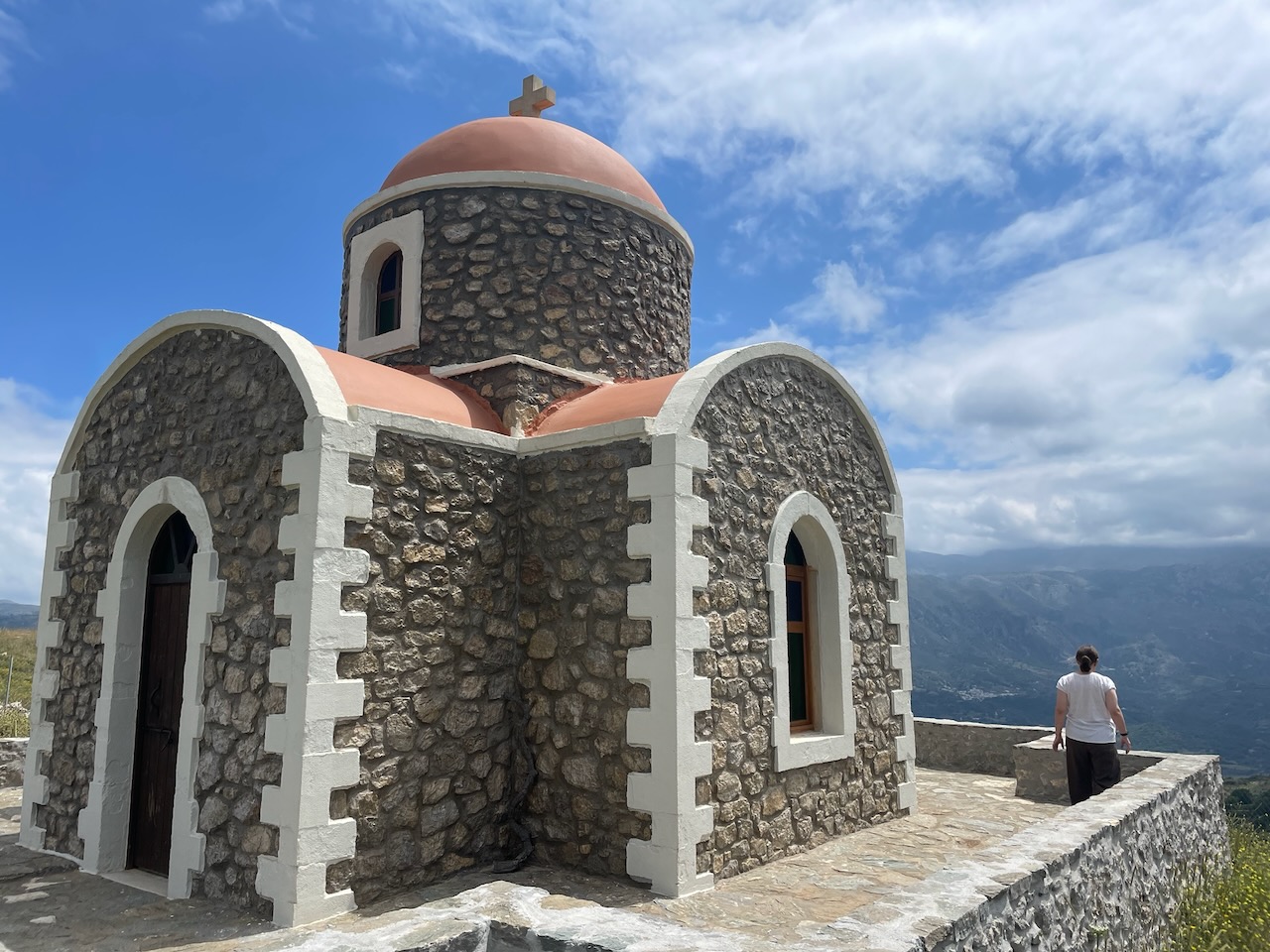
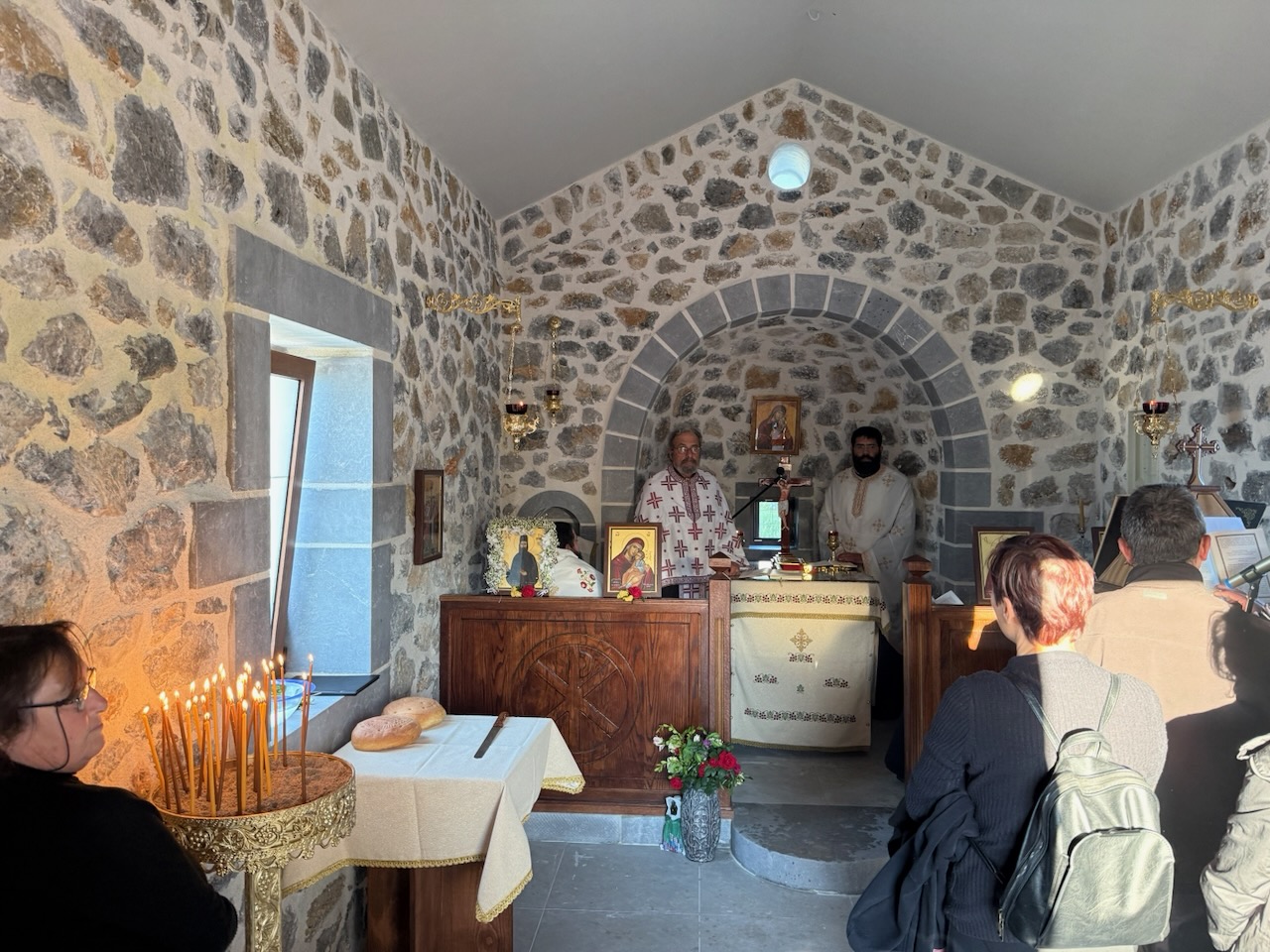
Meronas holds churches from the 13th and 14th centuries. The three-aisled basilica of the Assumption of the Virgin carries the Kallergis blazons and fragments of old frescoes; small chapels stand on the ridges above the village with the whole valley at their feet.
Featured · Every August
The Meronas Cretan Music Workshop
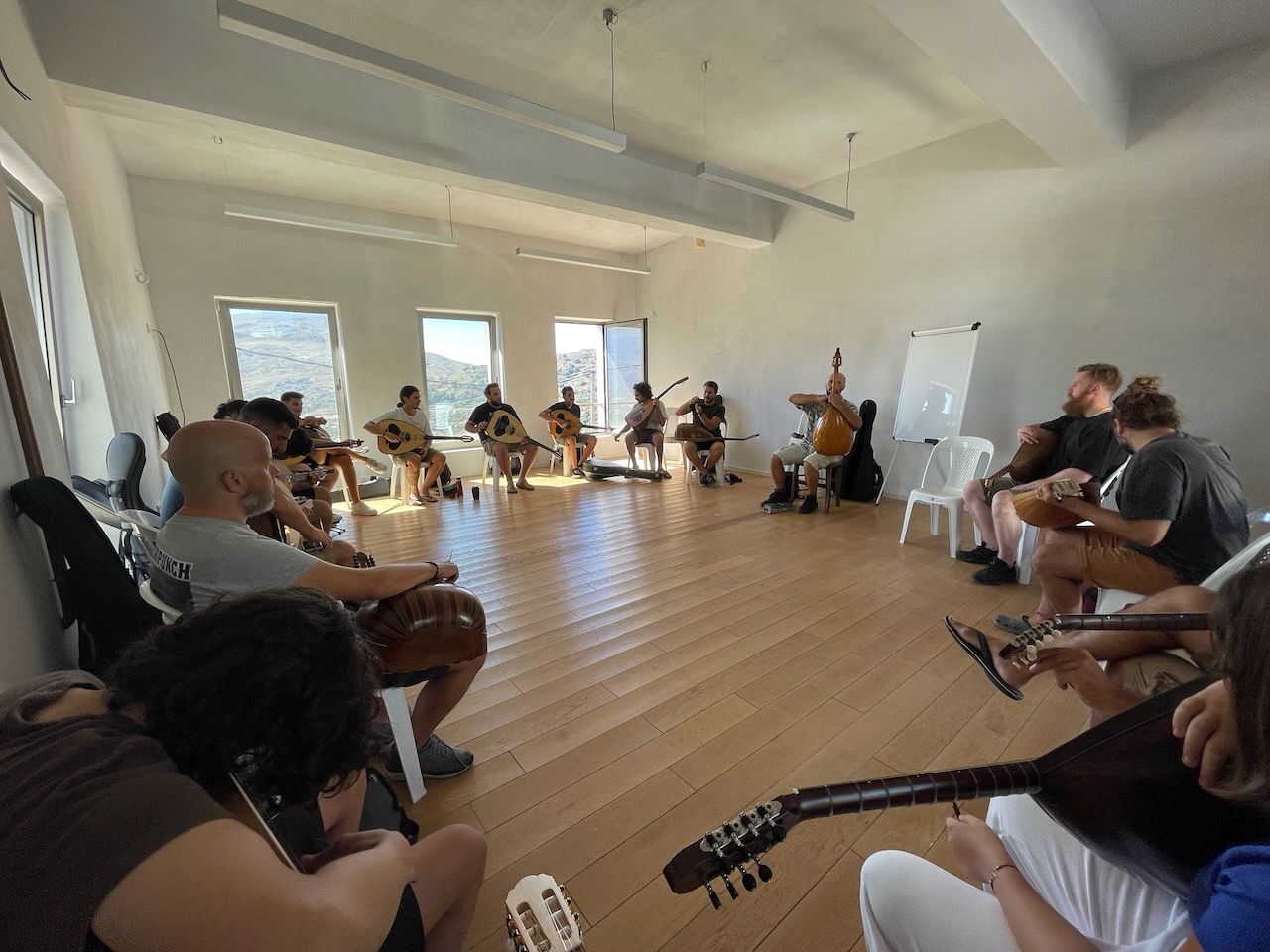
Each August the village fills with music. The Cultural Association of Meronas hosts the Cretan Music & Dance Workshop, now in its 16th year, where masters of Cretan music teach students from across Greece and the world. Days of lessons spill into nights of playing in the square, under the plane trees, beside the running water.
- Cretan lyra & lute
- Cretan wind instruments & mandolin
- Violin of Western Crete
- Santouri (zither)
- Cretan song & dance
The Valley
Under Psiloritis
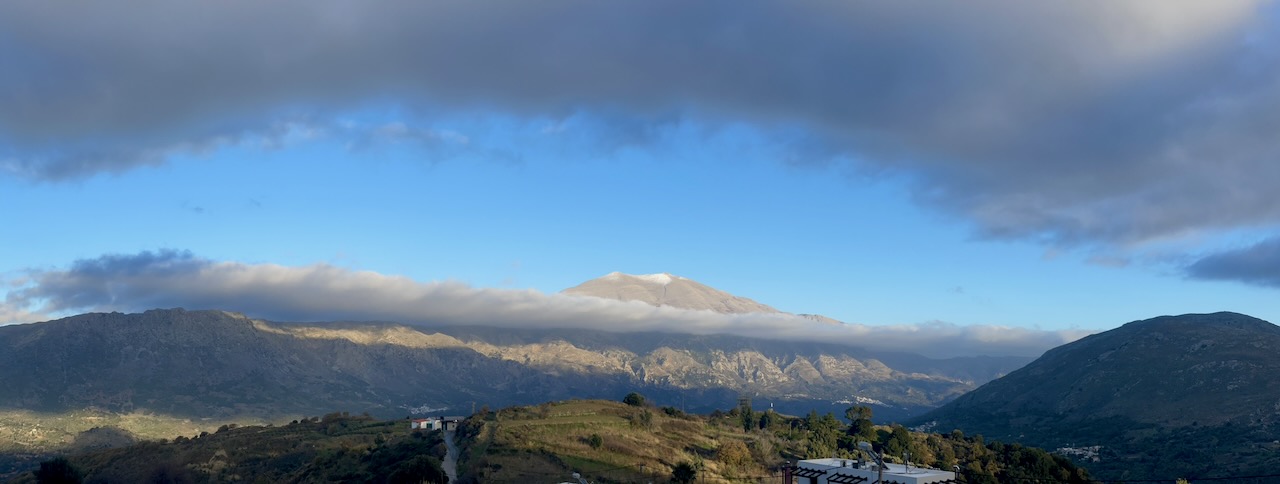
The Amari is one of the greenest corners of Crete: olive groves, oaks and cherry trees, spring meltwater, and the long snow-streaked ridge of Psiloritis holding the horizon. Meronas is the balcony from which to watch it all.
Taste of Amari
Olive oil, honey, and wine
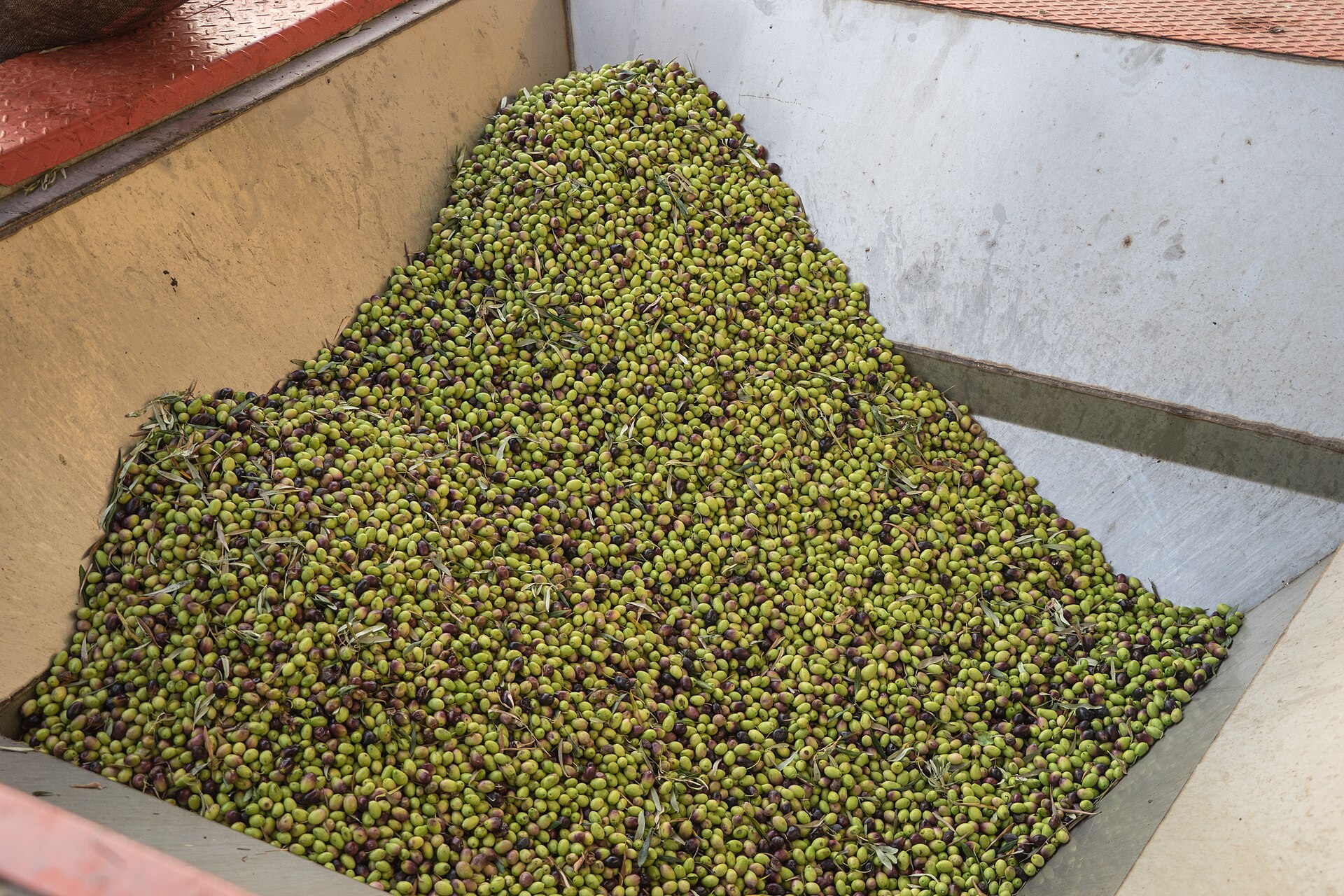
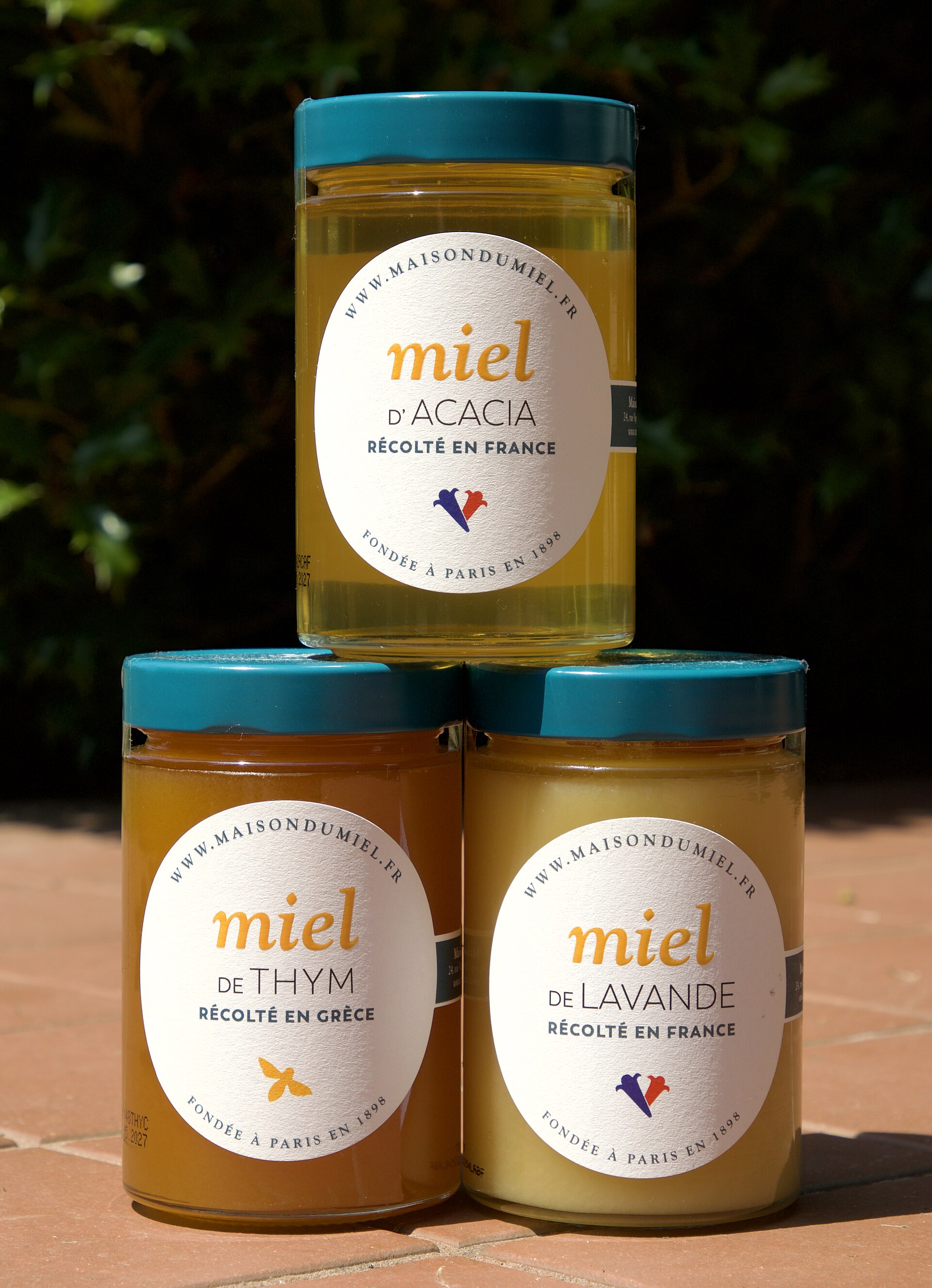
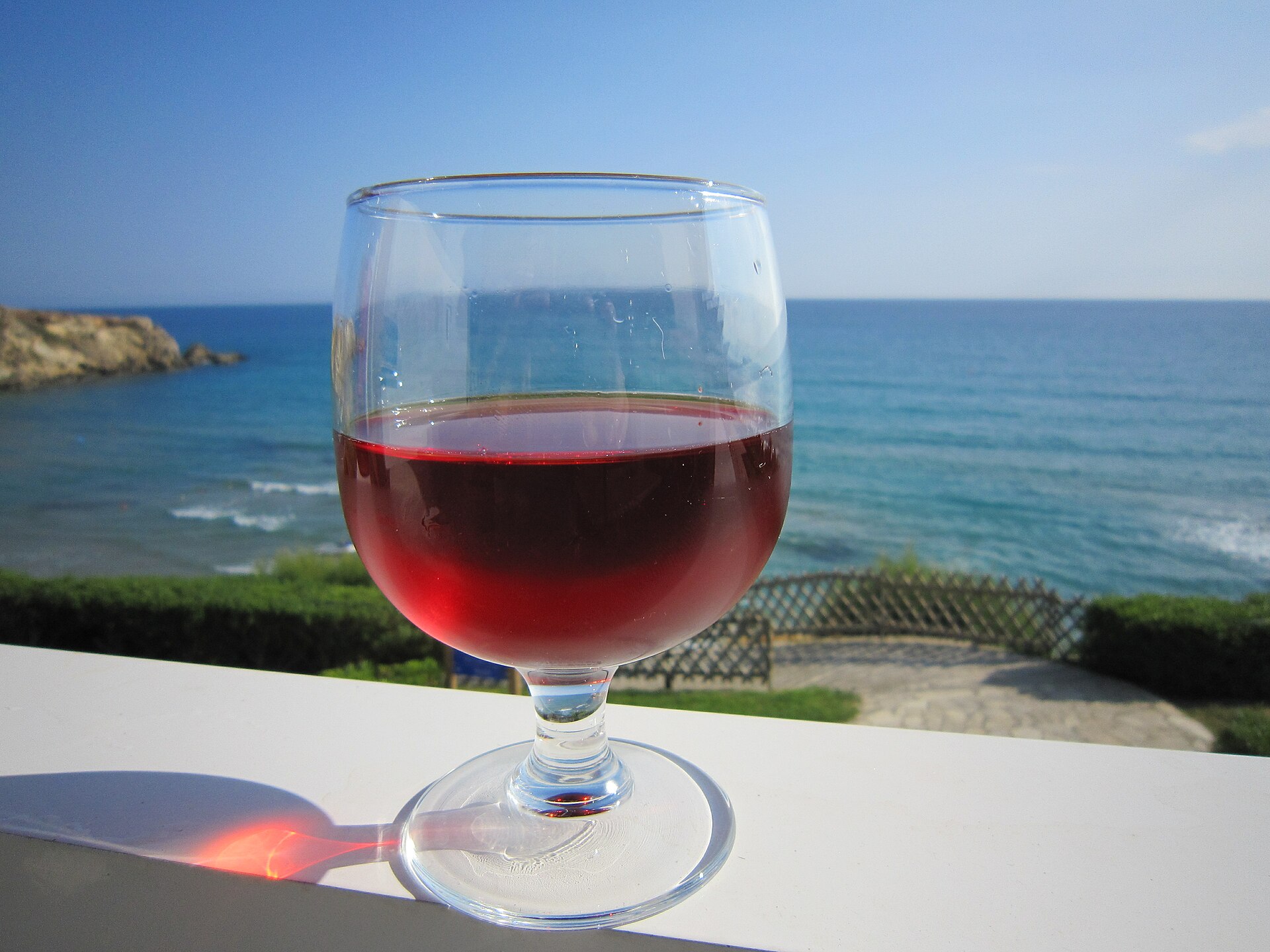
The Amari lives on what it grows. Green-gold olive oil pressed from the valley's own groves, wild-herb honey from the mountain slopes, and Cretan wine from grapes that have grown here for millennia.
Nearby · Chania
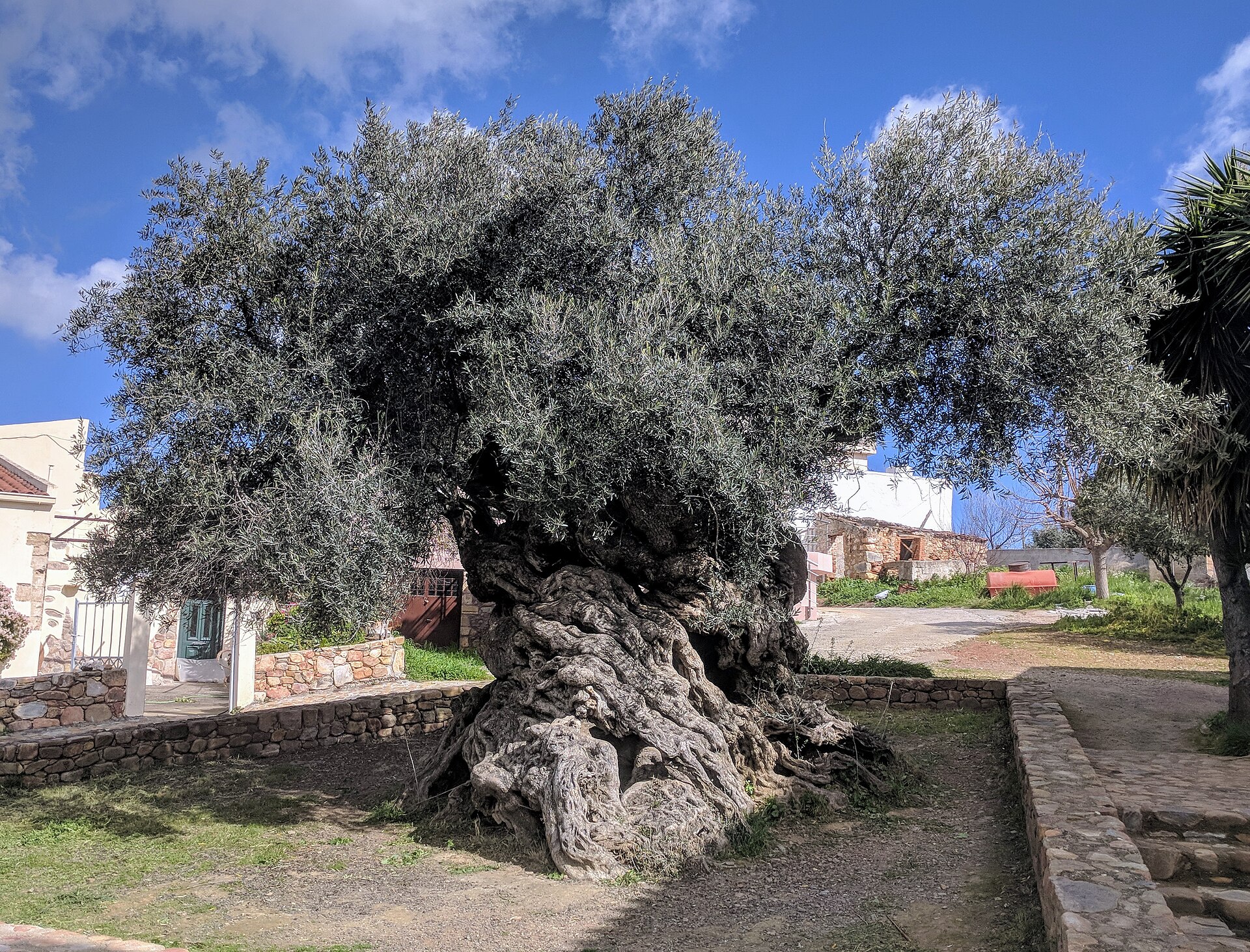
Visit the oldest olive tree in the world
Over near Chania stands the Olive Tree of Vouves, thought to be one of the oldest olive trees on earth, with estimates running to several thousand years. It still bears fruit. If you love the oil of Crete, go and stand under the tree that started it all.
The Olive Tree of Vouves →Gallery
Meronas, in passing
Ask Meronas
Curious about the village?
Leave a question about Meronas, the valley, the water, or the August music workshop. We read every one.